Every tank on the line.
Watched 24/7.
Tankline Robotics builds clamp-on tank level sensors and a robot valve operator for frac water transfer, so crews stop walking the tank line all night and start getting alerts before a tank overflows or runs dry.
The tank line still runs on people walking it
On a frac job, water sits in rows of frac tanks and seavans and moves between them through pumps and manual ball valves. Someone has to know every level, all night, in every kind of weather.
Overflow = a spill
Miss a rising tank and it goes over the top: cleanup, reporting and a very bad day with the operator.
Dry tank = a stopped stage
Let the suction side run low and the blender starves. The stage stops and the whole spread waits on water.
3 AM ladder checks
Today it's climbing ladders, reading sight glasses and cracking valves by hand, every hour, on every tank.
A level sensor you hang on the rim
A stainless float string inside a perforated stilling well, read by a cellular controller on top. It clamps to any frac tank or seavan in minutes and reports the level to the dashboard and the crew's phones.
- Sensing13 stainless reed float switches every 6 in, 6 to 78 in above the floor
- Fault detectionOne signal wire tells level and flags a cut or crushed cable
- ControllerESP32-S3 with LTE-M / NB-IoT cellular and GPS in an IP67 enclosure
- Power3 × 18650 lithium cells, optional small solar panel
- MountWelded rim-hook bracket, clamp screw, switchable magnet, safety lanyard
- BuildDocumented to aerospace-style work instructions with test gates
Hang it
Hook the bracket over the tank rim, snug the clamp screw, switch on the magnet, clip the lanyard.
It reads
As water rises, floats close one by one. The controller turns that into a level to the nearest 6 in.
It reports
Levels go over the cellular network to the cloud, with battery and signal health for every unit.
You get warned
HIGH, HIGH-HIGH, LOW and LOW-LOW alarms hit the dashboard and phones before it becomes a problem.
Built like flight hardware
Designed to be laser-cut, TIG-welded and painted, with stainless floats and fasteners. Every part is in the CAD model, every step is in a written build instruction, and every unit passes its tests before it goes near a location.
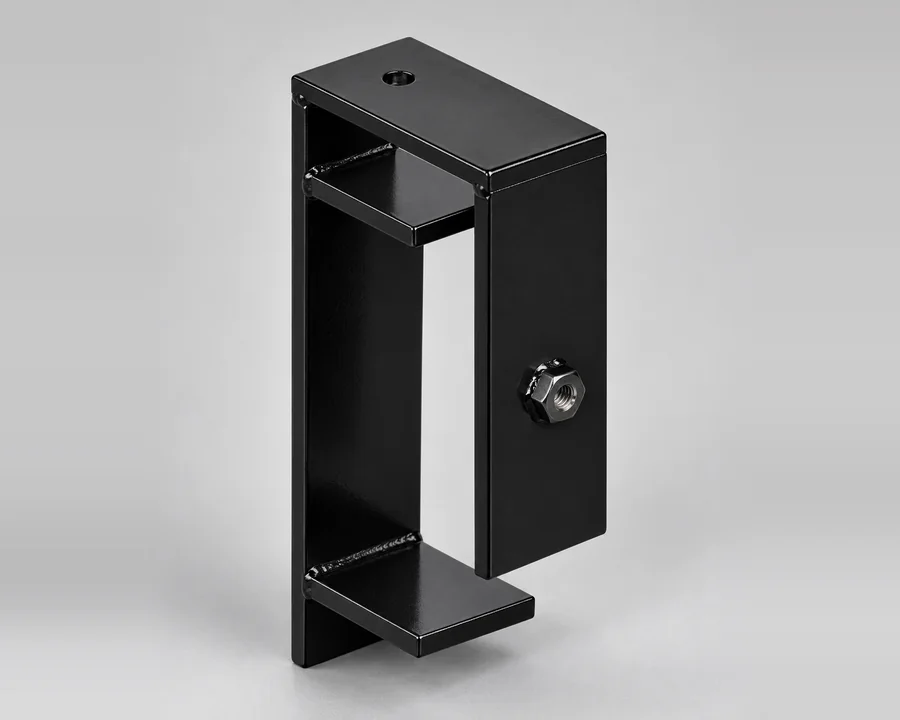
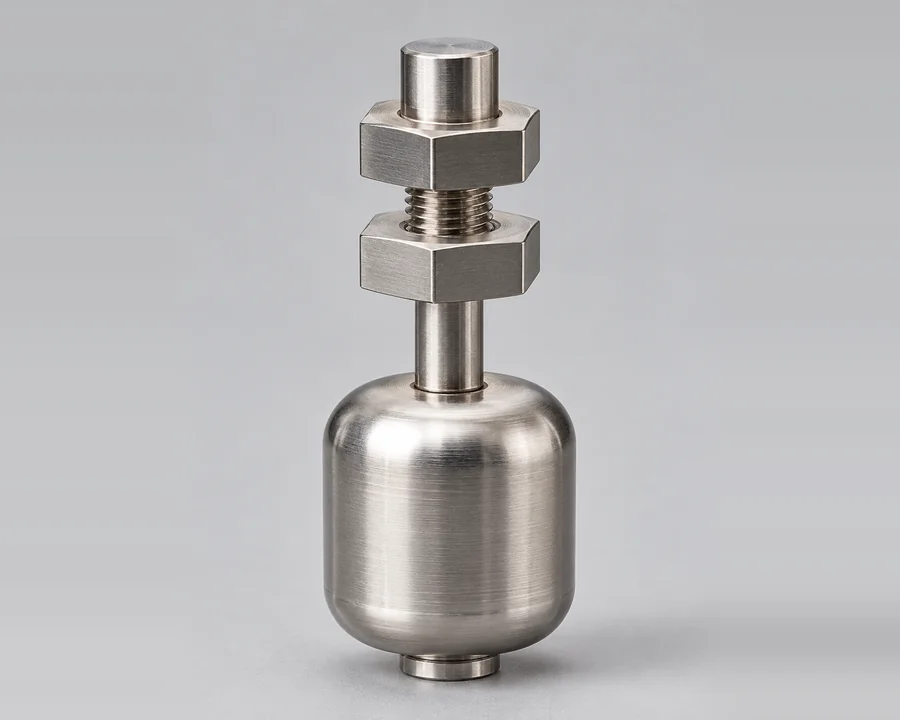
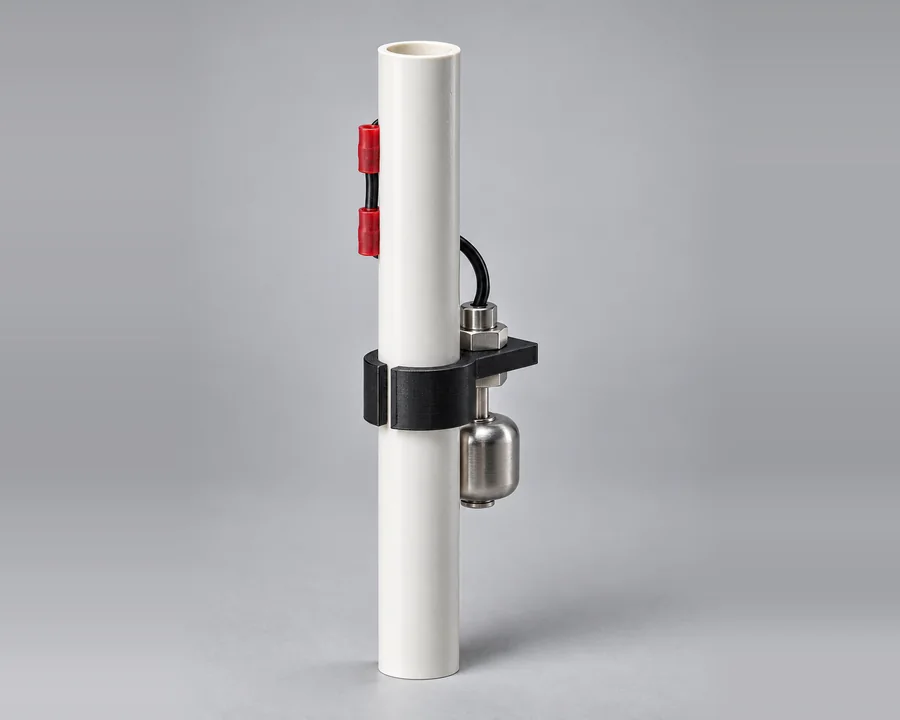
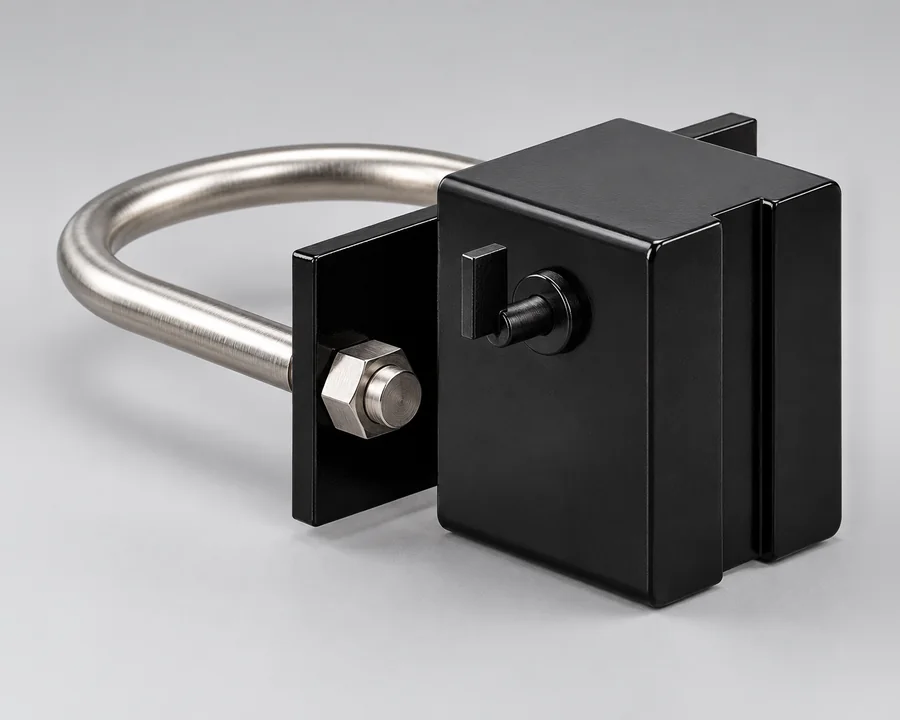
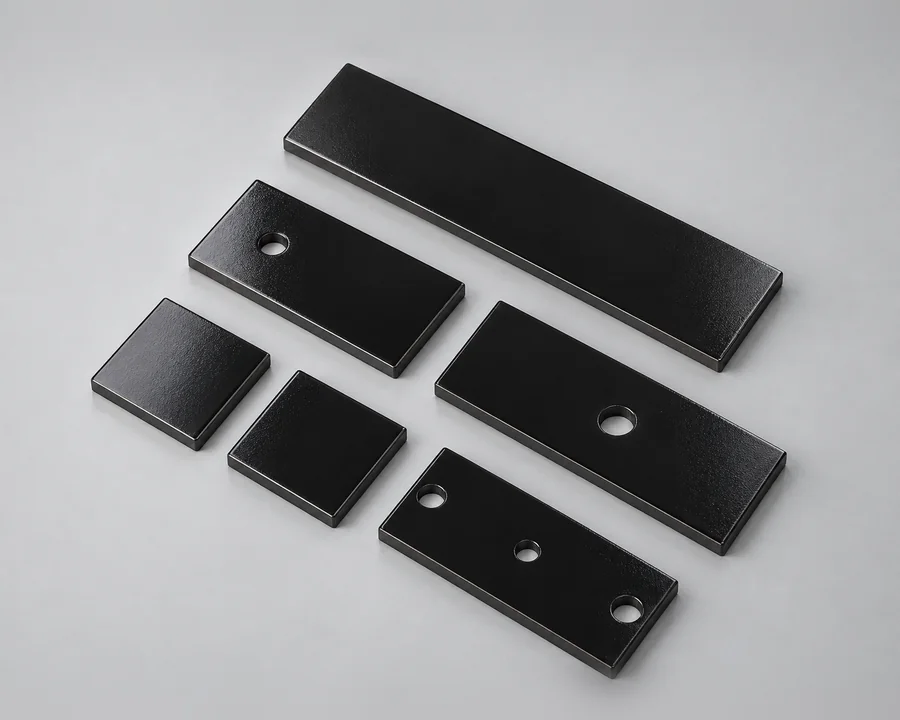
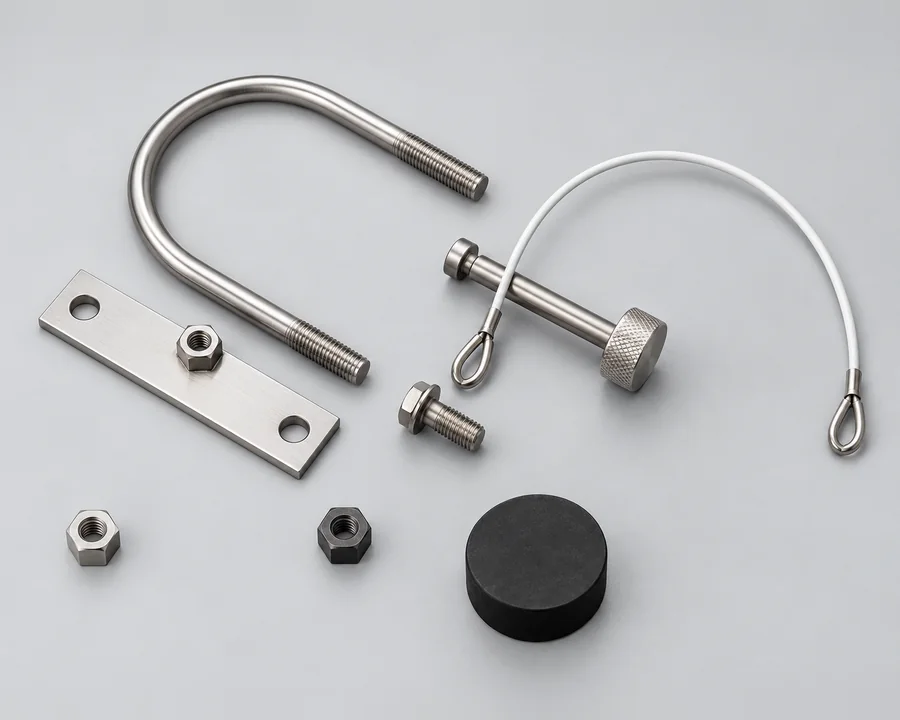
Product renderings generated from our Rev A CAD. Shop photos arrive with the October 2026 build.
The whole tank farm on one screen
A supervisor dashboard for the company man or transfer lead, and a phone view for the crew with big glove-friendly buttons. It predicts when a tank will hit its limit, not just when it already has.
From remote control to real-time autonomy
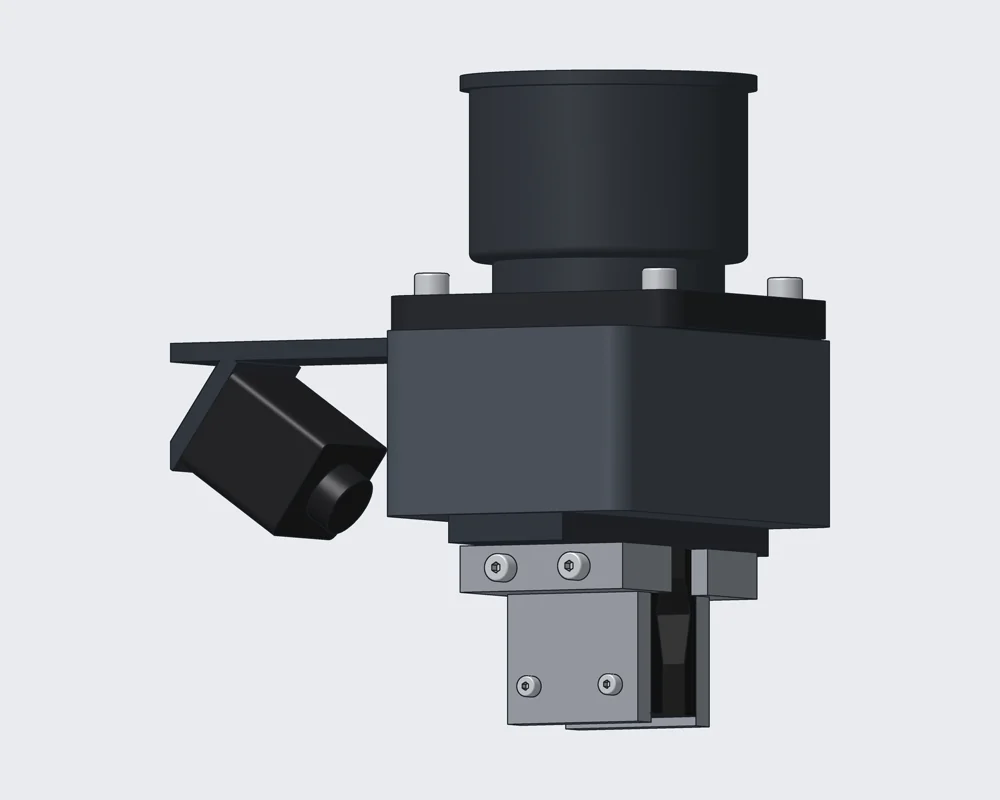
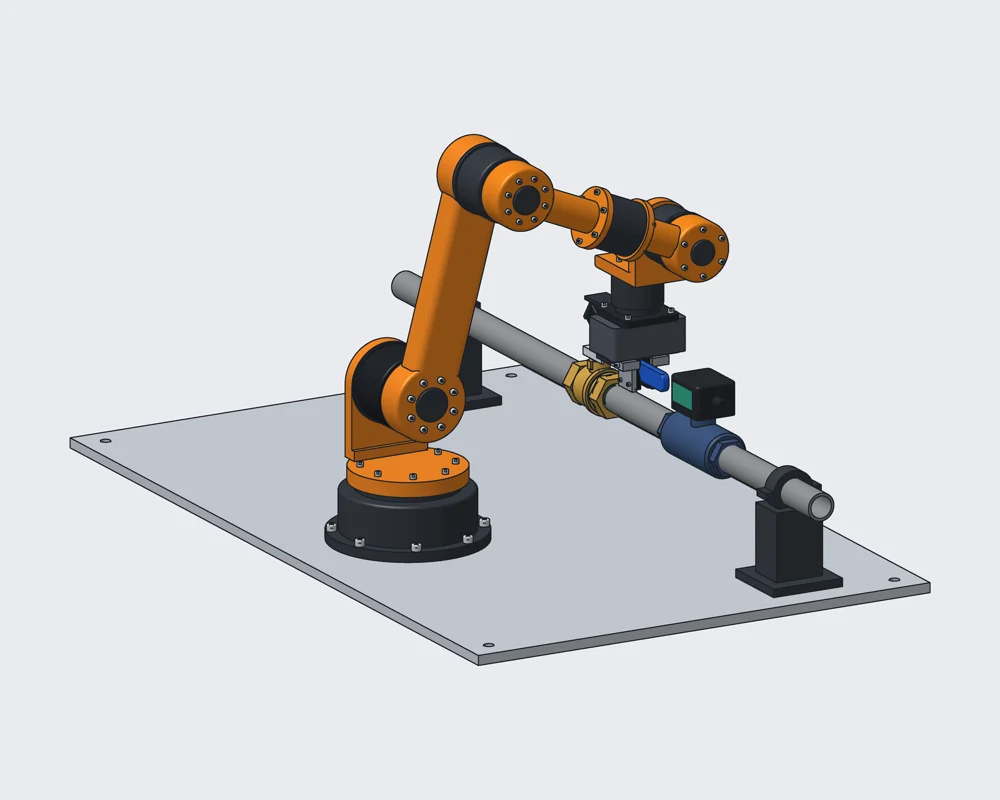
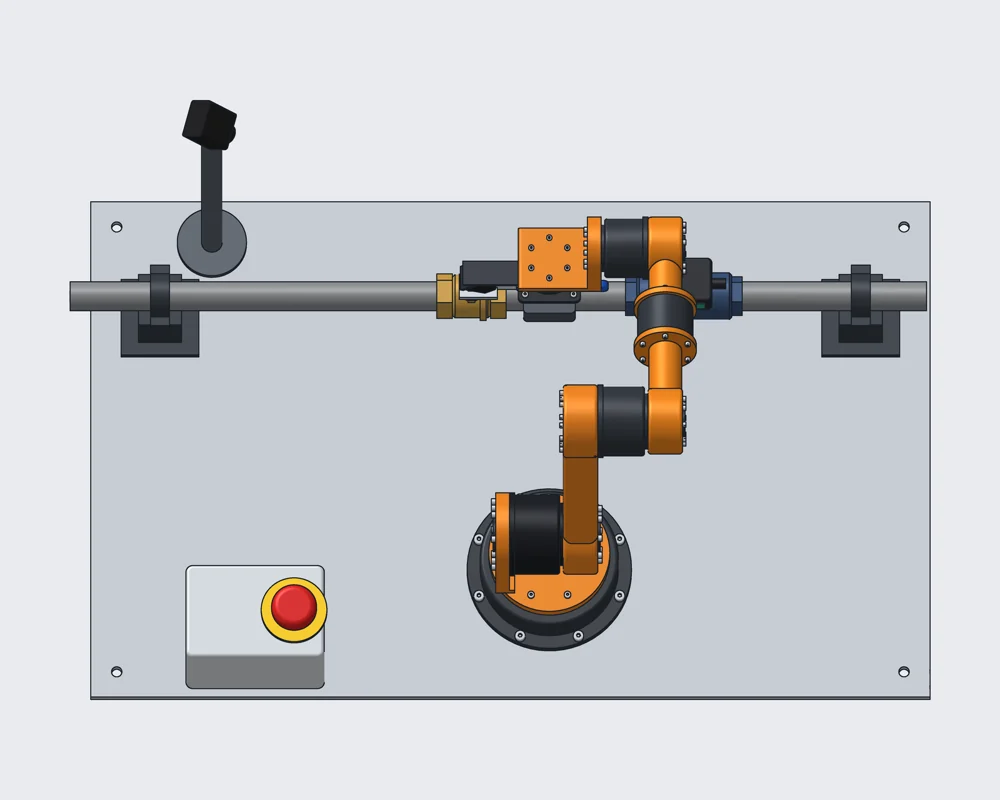
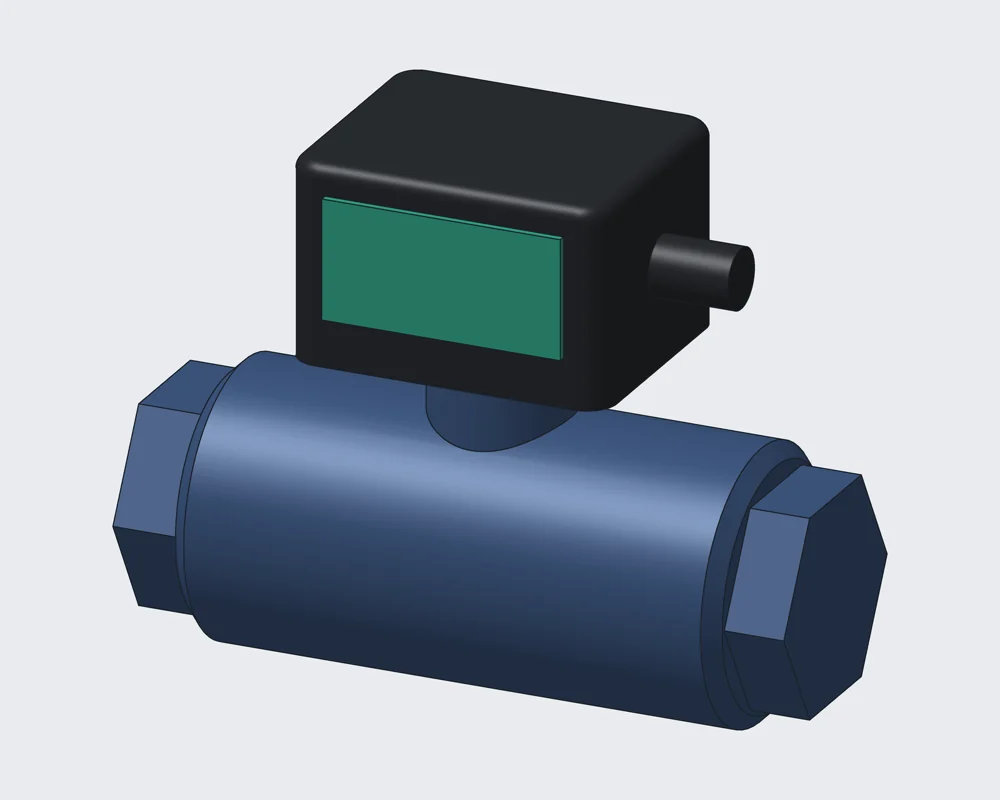
A robot arm that works the same lever-handle ball valve every crew already uses. It reads the flow meter and the level sticks and holds the right flow, a few degrees at a time. It starts with a person driving it remotely, and every session teaches the AI that takes over in steps.
Teleop
A person drives the arm remotely. Every session is recorded.
AI suggests
The AI proposes each move; a person approves it.
AI drives
The AI holds the flow setpoint; a person watches and can take over.
Supervised field
The AI runs real valves on location; one remote person watches many.
Full autonomy
Flow and level data drive the valves 24/7; people handle alarms and maintenance.
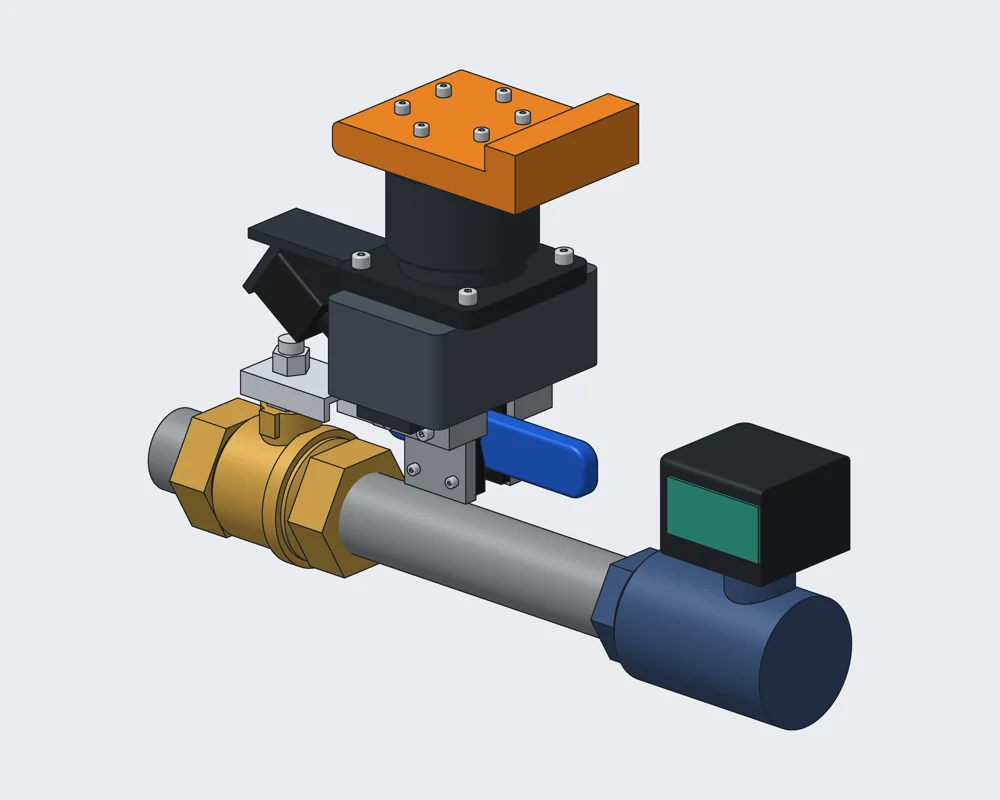
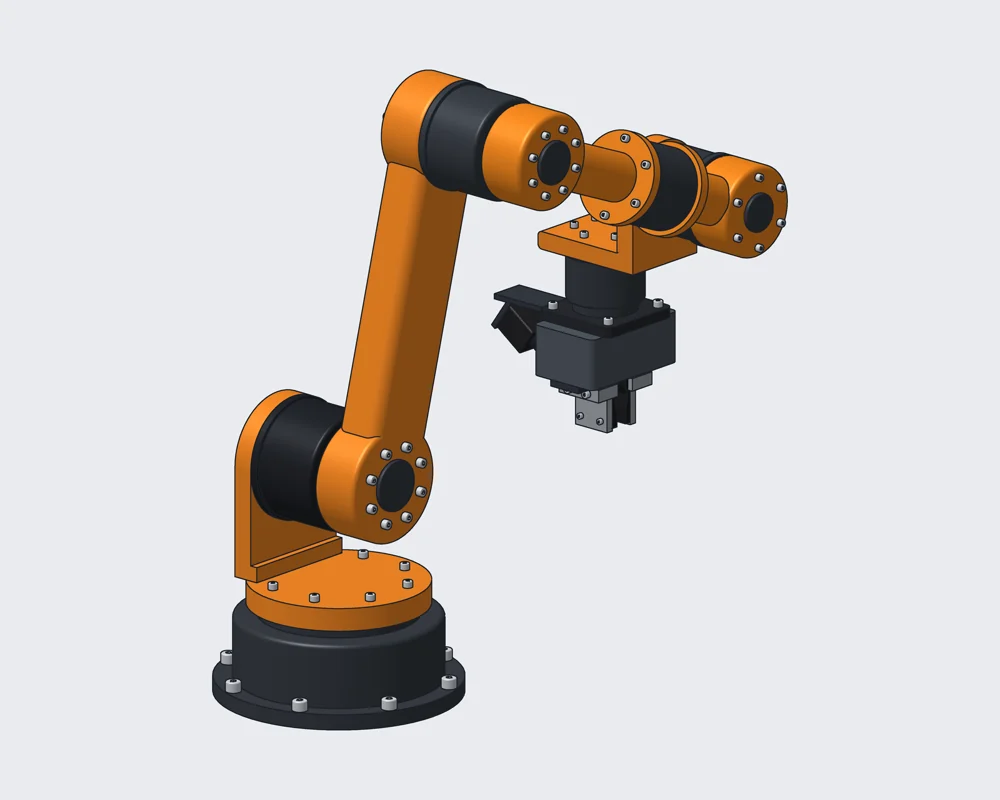
The stick trips, the robot acts
When a tank hits HIGH, the Level Stick alerts the crew and the robot eases the fill valve closed. When the level comes back down, it reopens. People watch and can take over at any time, and the hard-wired interlocks sit under all of it.
Where we are
Sep 2026
Design done
Rev A CAD, schematic, 66-page build and test instructions. Parts sourced.
Oct–Nov 2026
Prototype
Build and bench tests, then the full 8 ft stick in water and a live barrel demo with phone alerts.
Dec 2026
Field units
Three field-ready units, 7-day soak test, pilot partners lined up.
Q1 2027
Pilot
30-day pilot on real tanks. First paid rental. Valve test stand built.
2027
Fleet + AI
Rental fleet, teleop sessions, AI holding flow on the test stand.
2028
Autonomy
Supervised field trial, then autonomous valve control on location.
Founder-built, to flight-hardware standards
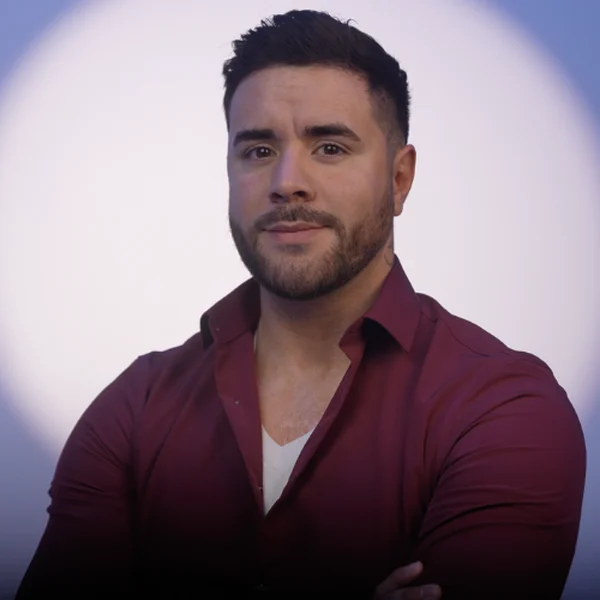
Roberto Vela III
Founder of Tankline Robotics and co-founder & CTO of Starport Space. Previously Integration Test Technician IV at SpaceX Starbase and Test Technician III at Stoke Space, across vehicle manufacturing, testing, launch operations, and recovery. GTAW-certified aerospace welder.
I'm building the tools I wanted on night shifts on the tank line, to the same standard I'd build flight hardware: documented, tested and inspected before they ever touch a location.
Put sticks on your tank line
We're lining up a small number of pilot sites for early 2027. Tell us about your jobs and we'll follow up.
- 30-day pilot on your frac tanks or seavans
- We install, maintain and remove the units
- Live dashboard and phone alerts for your crew
- Rented per tank per day after the pilot, no hardware to buy